Botox® Therapy in Fredericksburg, VA
Botox® treatment in Fredericksburg, VA. Cosmetic and therapeutic Botox for TMJ and clenching at Gateway Smiles. Call (540) 299-5721.
Botox® has dual roles in modern dentistry: a cosmetic treatment that softens facial lines and a therapeutic treatment that relieves clenching, grinding, TMJ pain, and headaches. Because dentists have detailed training in the anatomy of the face, jaw, and neck, we are uniquely positioned to administer Botox precisely and safely. Dr. Zaiber offers Botox in both cosmetic and therapeutic applications.
How Botox Works
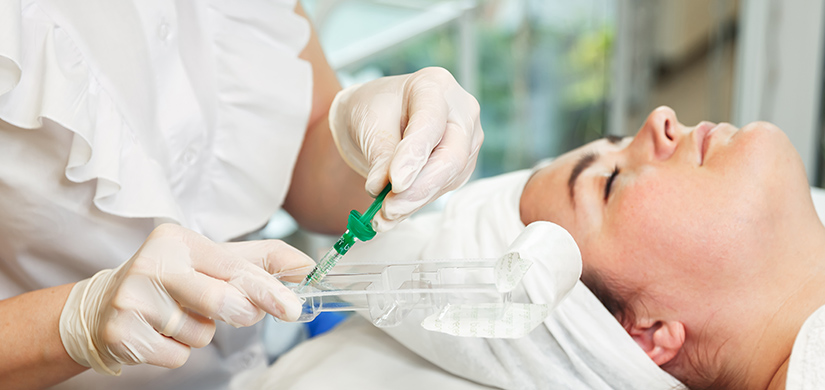
Botox is a purified protein that temporarily reduces the activity of specific muscles when injected in tiny, precise doses. The protein blocks the chemical signal that tells muscles to contract, allowing them to relax. This relaxation lasts approximately 3–4 months, after which the muscle gradually returns to normal function. The treatment can be repeated indefinitely with maintained results.
The cosmetic effect comes from softening the muscles that create wrinkles. Lines on the forehead, between the eyebrows ('11 lines'), and around the eyes (crow's feet) are caused by repeated muscle contractions over years. Relaxing these muscles softens the appearance of the lines and prevents them from deepening further.
The therapeutic effect comes from relaxing larger muscles that are causing problems. The masseter muscle (the main jaw muscle) is a common target — clenching and grinding can develop the masseter into a powerful muscle that wears down teeth, causes jaw pain, and triggers tension headaches. Botox in the masseter dramatically reduces the force of clenching, providing relief that few other treatments can match.
Therapeutic Botox at Gateway Smiles
Many of our patients come for Botox primarily for therapeutic reasons. Common indications include severe clenching and grinding (bruxism) that has caused tooth wear, broken dental work, or jaw pain; TMJ-related muscle tension and pain; chronic tension headaches related to jaw clenching; and 'gummy smile' caused by overactive lip muscles, which Botox can subtly reduce.
Therapeutic Botox is not a replacement for other TMJ treatments — it is most effective in combination with custom occlusal guards, stress management, and addressing any bite issues. But for patients with severe muscle tension, the relief Botox provides can be life-changing.
Cosmetic Botox at Gateway Smiles
Cosmetic Botox softens the appearance of dynamic wrinkles — lines caused by facial expression. The most common treatment areas are the horizontal lines across the forehead, the vertical lines between the eyebrows, and the crow's feet around the outer corners of the eyes.
Our approach to cosmetic Botox is conservative and natural-looking. We avoid the over-treated, frozen look that comes from excessive dosing. We aim for results that make you look refreshed and rested — never expressionless. Conservative initial dosing with the option to add more at a follow-up if desired produces consistently natural results.
Why Get Botox at a Dental Office?
- Dentists have detailed training in the anatomy of the head, neck, and facial muscles — exactly the anatomical knowledge needed for safe, precise Botox injection
- Many therapeutic uses of Botox (clenching, grinding, TMJ, gummy smile) are directly related to dental issues that we already understand and treat
- Treatment in our office can be coordinated with your existing dental care for an integrated approach
- We use the same FDA-approved Botox products used in plastic surgery and dermatology offices, with the same safety standards
- Costs are often comparable or lower than dedicated medical aesthetics offices
What to Expect at Your Appointment
- 1
Consultation
We discuss your goals, review your medical history, and identify the specific muscles to be treated. We answer any questions and confirm that Botox is appropriate for your situation.
- 2
Treatment plan
We create a treatment plan that specifies the muscles to be injected, the dose for each, and the expected results. Conservative initial dosing is the rule, with refinement at a follow-up if needed.
- 3
The injections
Tiny needles deliver the Botox to the planned muscles. Most patients describe the injections as a quick pinch and pressure. Topical numbing cream is available if you prefer. The entire treatment typically takes 10–15 minutes for the injection portion.
- 4
Aftercare
You can return to normal activities immediately, with a few minor restrictions for the first 4–6 hours: do not lie flat, do not exercise vigorously, do not rub the treated area, and avoid alcohol. We will review these instructions in detail.
- 5
Results
Results begin to appear within 3–5 days and reach their full effect at 10–14 days. We schedule a follow-up at 2 weeks to assess the result and refine the dosing if needed.
Safety and Side Effects
Botox has been used safely for cosmetic and therapeutic purposes for over 30 years, with billions of treatments performed worldwide. It is one of the most studied medications in modern medicine and has an excellent safety profile when administered properly.
Common side effects are mild and brief: small bruises at injection sites, mild tenderness, occasional headache for a day or two. These resolve quickly without intervention. Less common but possible side effects include temporary asymmetry that resolves as the Botox takes full effect, droopy eyelid (very rare with proper technique) that resolves within weeks, and minor changes in expression that resolve as the treatment wears off.
Botox is not appropriate for pregnant or nursing women, people with certain neuromuscular conditions, or people with active infection at the injection site. We review your full medical history before any treatment.
Cost and Insurance
Cosmetic Botox is not covered by insurance and is priced per unit of Botox used. Typical cosmetic treatments use 20–60 units, with prices ranging from $300 to $700 per session. Therapeutic Botox for documented TMJ pain or chronic migraines may be covered by medical insurance with appropriate documentation; we help with insurance navigation when applicable. HSA and FSA funds may apply for therapeutic uses. We provide clear pricing at consultation.
Frequently asked questions
Have more questions about botox? Call us at (540) 299-5721 — we're happy to help.
Cosmetic Botox results typically last 3–4 months before the muscle activity begins to return. Therapeutic Botox in larger muscles like the masseter often lasts a similar duration. Treatments can be repeated indefinitely.
Not when administered properly with conservative dosing. We aim for results that look natural — softer lines and a more rested appearance, but with full natural expression preserved. We will not 'over-Botox' you, and you can always add more at a follow-up if you want a stronger effect.
For most patients with clenching and grinding-related symptoms, Botox in the masseter muscles produces dramatic improvement. Many patients describe the relief from chronic jaw and head pain as transformative. It is not a substitute for other treatments like nightguards, but in combination it can be remarkably effective.
A typical Botox appointment, including consultation, treatment, and aftercare review, takes 30–45 minutes. The injection portion itself is only 10–15 minutes.
Yes. Botox has essentially no downtime. You can return to work and normal activities immediately, with a few minor restrictions for the first 4–6 hours (no lying flat, no exercise, no rubbing the area). Some patients have small pinpoint bruises at injection sites that resolve in a few days; these can be covered with makeup.
Yes. Botox has been used safely for over 30 years and has an excellent safety record when administered properly. Side effects are typically mild and brief. Serious complications are extremely rare with appropriate technique and patient selection.
Let's talk about your botox
Come in for a consultation with Dr. Zaiber. We'll examine your situation, explain your options, and recommend the right approach — with no pressure to commit.