Porcelain Veneers in Fredericksburg, VA
Custom porcelain veneers at Gateway Smiles in Fredericksburg, VA. Transform your smile with hand-crafted, natural-looking veneers. Call (540) 299-5721.
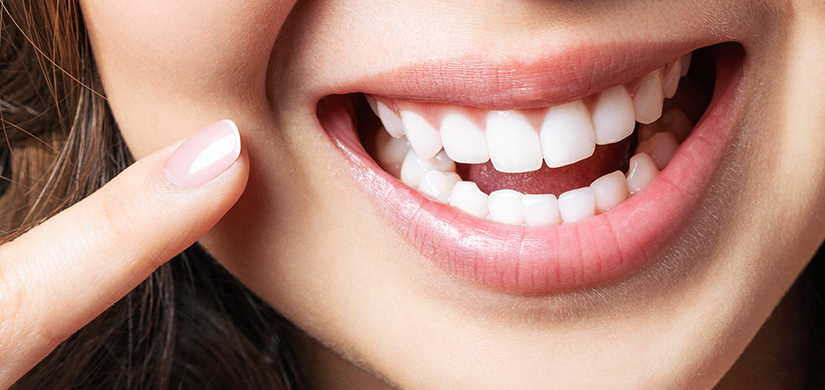
Porcelain veneers are thin, custom-made shells of medical-grade porcelain that are bonded to the front surface of your teeth to transform their appearance. Veneers can correct discoloration, chips, gaps, misalignment, and worn enamel — often producing dramatic results with a single 2–3 week treatment course. When designed and placed properly, porcelain veneers look completely natural and can last 15 years or more.
What Porcelain Veneers Can Do
Porcelain veneers are one of the most powerful tools in cosmetic dentistry. They allow us to design the smile you want without orthodontic treatment or major restorative work in many cases. The improvements veneers can deliver include brightening severely discolored teeth that do not respond to whitening, correcting chips and small fractures, closing small gaps between teeth, masking minor crowding or misalignment, lengthening worn-down teeth, and reshaping teeth that look small, narrow, or oddly proportioned.
Veneers cannot fix everything. Severe misalignment is better treated with orthodontics first. Significantly damaged teeth may need crowns rather than veneers. Patients with active gum disease or severe grinding habits need those addressed before veneers are placed. We will assess all of this at your consultation and recommend the right combination of treatments for your goals.
How Veneers Are Made
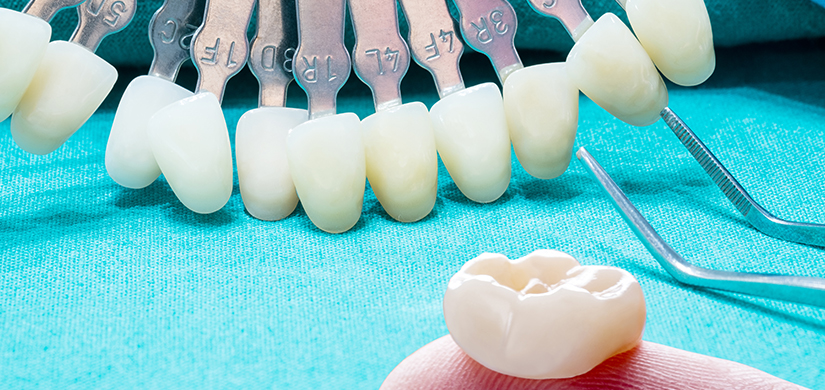
Each porcelain veneer is custom-fabricated by a dental ceramicist — an artisan who specializes in creating natural-looking dental restorations. The porcelain used for veneers is layered and shaped to mimic the optical properties of natural enamel: the right color, the right translucency, the right surface texture. A well-made veneer reflects and transmits light just like a natural tooth, which is what makes it look real instead of looking like dental work.
The art of veneer fabrication is significant. Two laboratories can use the same porcelain and the same impressions and produce dramatically different results. At Gateway Smiles, we work with experienced dental ceramicists who specialize in cosmetic restorations, and we are involved in the design process throughout — from initial sketches to final shade selection.
The Veneer Process
- 1
Cosmetic consultation
We start with a thorough consultation — photographs, an examination, and a detailed conversation about your goals. We use digital smile design tools to show you what your smile could look like before committing to treatment. This is the most important part of the process and is never rushed.
- 2
Smile design and mock-up
We create a wax-up of your proposed smile design and often place a temporary 'mock-up' in your mouth so you can see and feel what the final result will look like. We refine the design until you are confident in the result.
- 3
Tooth preparation
At your first treatment appointment, Dr. Zaiber lightly prepares the front of each tooth that will receive a veneer — typically removing about 0.5 mm of enamel, less than the thickness of a fingernail. This makes room for the veneer to fit naturally without making your teeth look bulky. Local anesthesia ensures you feel nothing during the preparation.
- 4
Impressions and temporaries
Precise impressions or digital scans are sent to the ceramicist, along with detailed photographs and shade information. Temporary veneers — made to match the agreed-upon design — are placed to protect your teeth and let you preview the look while the final veneers are being made (typically 2–3 weeks).
- 5
Veneer placement
At your final appointment, we remove the temporaries, try in the porcelain veneers, and confirm that the fit, color, and appearance are exactly right. When you and Dr. Zaiber are both happy with the result, the veneers are permanently bonded to your teeth with a strong, light-cured adhesive. The bond is exceptional — porcelain bonded to enamel produces one of the strongest connections in modern dentistry.
How Many Veneers Do I Need?
This depends on your goals and what is visible when you smile and speak. Most patients receive veneers on the 6, 8, or 10 most visible upper teeth. Some patients benefit from veneers on both the upper and lower visible teeth for a complete smile makeover.
Fewer veneers are needed when only one or two teeth are out of harmony with the rest. More are needed when the goal is significant overall improvement in brightness, shape, or symmetry. We will recommend the number that achieves your goals while preserving as much natural tooth structure as possible.
Caring for Your Veneers
Porcelain veneers are cared for the same way as natural teeth, with a few additional considerations. Brush twice daily with a soft-bristled toothbrush and non-abrasive toothpaste — abrasive whitening toothpastes can dull the polish of porcelain over time. Floss daily, including the areas around your veneers. Continue your routine cleanings and exams every six months so we can monitor the health of your gums and the integrity of your veneers.
Avoid habits that put veneers at risk. Do not chew on hard objects like ice, pen caps, or hard candy. If you grind your teeth at night, a custom nightguard is essential to protect your investment. If you participate in contact sports, wear a properly fitted mouthguard. With reasonable care, veneers reliably last 15 years or longer.
What Veneers Are Not
Veneers are irreversible. The small amount of enamel removed during preparation does not grow back, and the teeth will always need a veneer or crown on them going forward. This is the most important fact to understand before committing to veneers, and we make sure every patient is fully informed.
Veneers are not a treatment for unhealthy teeth or gums. Decay, gum disease, and infection must be addressed first. Veneers placed over unhealthy teeth fail prematurely and can hide problems that should have been treated.
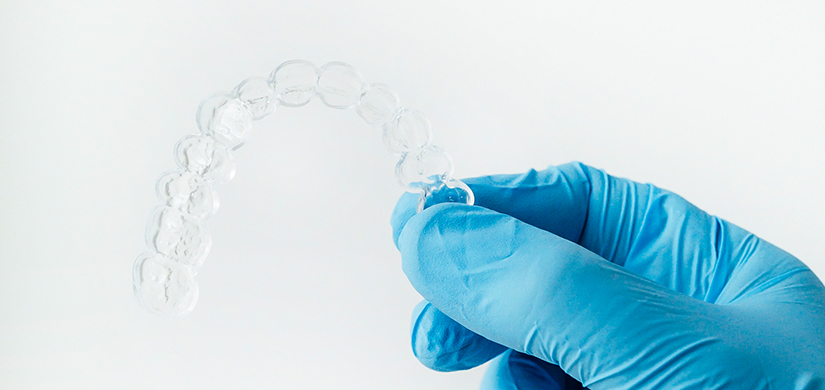
Veneers are not a substitute for orthodontics in cases of severe misalignment. While veneers can mask minor crowding or gaps, significant orthodontic issues are better addressed with Invisalign or traditional braces first. Veneers placed on poorly positioned teeth often look unnatural and rarely deliver the smile patients are hoping for.
Cost and Insurance
Porcelain veneers are considered cosmetic and are generally not covered by dental insurance. A single porcelain veneer typically costs $1,200–$2,500 in our area. A full upper veneer case of 8–10 teeth typically ranges from $10,000–$25,000. We offer financing through CareCredit and other lenders to spread the cost over time, and we will provide a detailed written estimate at your consultation. Many patients are surprised at how affordable veneers can be when financed over 24–60 months.
Frequently asked questions
Have more questions about veneers? Call us at (540) 299-5721 — we're happy to help.
Yes, when designed and placed properly. The key is to work with an experienced dentist and a high-quality ceramicist, and to take the time to design a smile that fits your face. Avoid the temptation of uniformly white, overly square 'Hollywood' veneers — natural-looking veneers have subtle variations in color, translucency, and shape.
With proper care, porcelain veneers last 15–20 years on average, and many last considerably longer. The biggest factors in veneer longevity are good home care, routine professional cleanings, avoiding habits like grinding or chewing on hard objects, and wearing a nightguard if you grind.
Some patients experience mild sensitivity to cold for a week or two after veneer placement, which resolves on its own. The small amount of enamel removed during preparation is replaced by a tightly bonded layer of porcelain, so long-term sensitivity is uncommon.
Porcelain does not respond to whitening agents the way natural teeth do. The color of your veneers is permanent. We typically whiten your natural teeth first (if desired), then design veneers to match that shade. This is one of many reasons we plan veneer cases carefully before any work is done.
A veneer covers only the front surface of a tooth and requires removing only a thin layer of enamel. A crown covers the entire tooth and requires removing more tooth structure. Veneers are used for cosmetic improvement of healthy teeth; crowns are used for structurally compromised teeth.
Yes — particularly for repairing a single chipped or discolored tooth. Matching a single veneer to surrounding natural teeth is more challenging than designing a full set, but with the right ceramicist and careful shade matching, it is achievable.
Related procedures
Let's talk about your veneers
Come in for a consultation with Dr. Zaiber. We'll examine your situation, explain your options, and recommend the right approach — with no pressure to commit.