
TMJ Treatment in Fredericksburg, VA
TMJ disorder treatment in Fredericksburg, VA. Custom occlusal guards, Botox therapy, and bite analysis at Gateway Smiles. Call (540) 299-5721.
Temporomandibular joint disorders — collectively called 'TMJ' or 'TMD' — affect the jaw joints and surrounding muscles, causing pain, clicking, headaches, and limited jaw movement. Many patients suffer for years without realizing that effective treatment is available. At Gateway Smiles, we evaluate and treat TMJ disorders with conservative, evidence-based approaches that bring real relief.
What Is TMJ?
The temporomandibular joints are the two joints connecting your lower jaw to your skull, located just in front of each ear. These joints are unusually complex — they hinge, they slide, and they bear significant force every time you chew, swallow, or speak. The muscles that move these joints — particularly the masseter and temporalis muscles — are some of the strongest muscles in the body relative to their size.
When something disrupts the normal function of this system, the result is often called TMJ disorder, TMD (temporomandibular dysfunction), or simply 'TMJ' in everyday conversation. The causes are varied and often combined: clenching and grinding, an uneven bite, arthritis of the joint, displacement of the disc within the joint, stress and muscle tension, postural issues, and trauma.
Common Symptoms of TMJ Disorder
- Pain in the jaw, especially with chewing or first thing in the morning
- Pain or aching around the ear, sometimes mistaken for an ear infection
- Clicking, popping, or grating sounds when opening or closing the mouth
- Headaches, especially in the temples or behind the eyes
- Tightness, soreness, or fatigue of the jaw muscles
- Difficulty opening the mouth fully or jaw locking
- Worn, flattened, or chipped teeth from grinding
- Neck and shoulder pain that travels from the jaw
Diagnosis and Evaluation
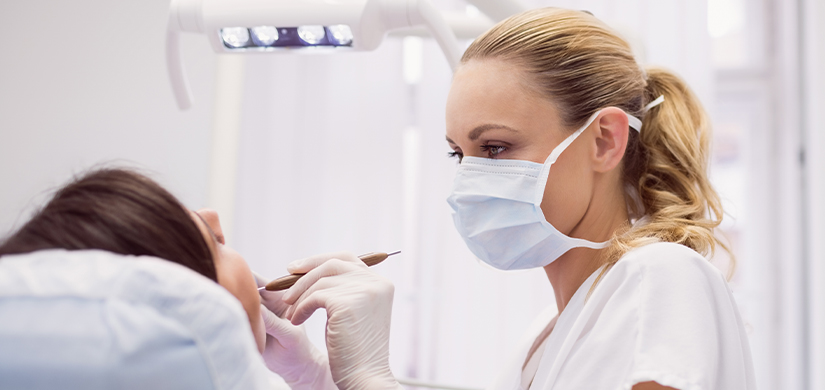
Diagnosing TMJ disorder begins with a careful history and examination. Dr. Zaiber will ask detailed questions about your symptoms — when they occur, what triggers them, how they affect your daily life — and examine your jaw joints, muscles, bite, and teeth.
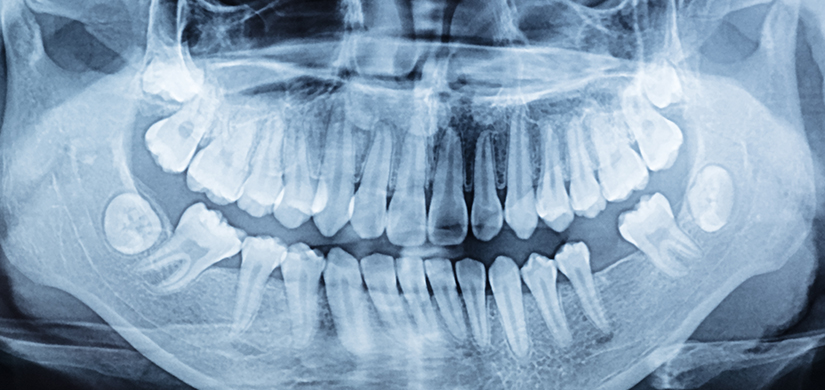
We evaluate the function of your jaw, listen for clicking or grinding sounds, palpate the muscles for areas of tenderness or spasm, and analyze how your teeth come together. We may also take X-rays or other imaging if joint pathology or significant tooth wear is suspected.
Many TMJ symptoms have multiple contributing causes, and effective treatment usually addresses several at once. We develop a treatment plan tailored to your specific findings.
Treatment Options
Treatment for TMJ disorder is typically conservative and reversible. We start with the simplest, least invasive approaches and add others only if needed.
- Custom occlusal guards (nightguards) — precision-fitted appliances worn at night that reduce the force of clenching and grinding, protect the teeth from wear, and allow muscles to relax. The single most effective intervention for the majority of TMJ patients.
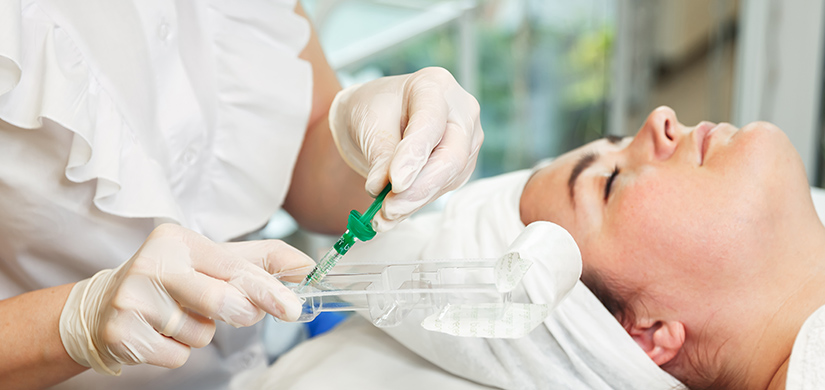
- Botox therapy — injections into the masseter muscles can dramatically reduce the force of clenching, providing relief from pain and protecting teeth and dental work. Effects typically last 3–4 months. Particularly helpful for patients with severe muscle tension and grinding.
- Physical therapy — exercises, stretches, and manual therapy techniques that improve jaw function and reduce muscle tension. We can refer to physical therapists experienced with TMJ.
- Bite analysis and adjustment — when the bite contributes to TMJ symptoms, careful adjustment or restorative treatment can improve how the teeth meet, reducing strain on the joints and muscles.
- Stress management — because clenching and grinding often have a stress component, addressing the underlying stress can be an important part of long-term success.
- Anti-inflammatory medication — short courses of ibuprofen or other anti-inflammatories can break the pain-tension cycle and allow other treatments to work.
Custom Occlusal Guards
A custom occlusal guard — sometimes called a nightguard, splint, or bite appliance — is one of the most reliable treatments for TMJ symptoms related to clenching and grinding. Unlike over-the-counter mouthguards, a custom guard is precisely fitted to your teeth, designed to allow your jaw to rest in a neutral position, and built to last several years.
The guard works in several ways. It physically separates the teeth so they cannot grind against each other, protecting both the teeth and any dental work from wear and damage. It positions the jaw in a relaxed, neutral relationship that reduces strain on the muscles and joints. And it acts as a 'cognitive intervention' — your brain often reduces the intensity of clenching when there is something between the teeth.
Most patients experience significant improvement in symptoms within weeks of starting to wear a properly designed guard consistently. Combined with Botox or other interventions for severe cases, the results can be dramatic.
When Specialist Care Is Needed
Most TMJ disorders respond to conservative treatment from a general dentist with experience in TMJ. However, severe cases — including significant joint pathology, history of jaw trauma, suspected disc displacement, or symptoms that do not respond to conservative treatment — may benefit from referral to a specialist. We work with experienced TMJ specialists, oral surgeons, and physical therapists in the Fredericksburg area and coordinate referrals when they are appropriate.
Cost and Insurance
Insurance coverage for TMJ treatment varies widely. Custom occlusal guards may be covered partially under dental insurance (typically 50%) or under medical insurance with appropriate documentation. Botox for TMJ may be covered by medical insurance for documented therapeutic use. A custom occlusal guard typically costs $400–$700 without insurance. Botox treatment typically costs $300–$600 per session and lasts 3–4 months. We help with insurance navigation and provide clear estimates before treatment.
Frequently asked questions
Have more questions about tmj? Call us at (540) 299-5721 — we're happy to help.
Many patients experience significant or complete resolution of symptoms with appropriate treatment. Others experience meaningful improvement and learn to manage occasional flare-ups effectively. Successful treatment usually involves addressing multiple contributing factors and consistent use of recommended interventions like nightguards.
TMJ-related headaches typically involve the temples, behind the eyes, or the sides of the head, and are often worse in the morning. They are frequently associated with jaw soreness, clicking, or other jaw symptoms. A careful examination can determine whether your headaches are likely TMJ-related and whether dental treatment is likely to help.
No. Over-the-counter mouthguards do not fit precisely, do not position the jaw in a therapeutic relationship, and often make symptoms worse by altering the bite incorrectly. A custom guard is a meaningful improvement and is essential for effective TMJ treatment.
Botox temporarily weakens the masseter muscle (the main jaw muscle), reducing the force of clenching and grinding. This relieves the muscle tension and joint strain that cause many TMJ symptoms. Botox does not replace other treatments but can be a powerful adjunct, especially for severe muscle tension.
Surgery for TMJ disorders is rarely needed. The vast majority of cases respond to conservative treatment. Surgery is reserved for severe joint pathology that has not responded to other approaches, and is performed by specialists.
Stress is a major contributor to TMJ symptoms in many patients. Stress increases clenching and grinding, and these in turn cause jaw and muscle pain. Addressing stress through lifestyle changes, exercise, mindfulness practices, or counseling can be an important part of long-term TMJ management.
Let's talk about your tmj
Come in for a consultation with Dr. Zaiber. We'll examine your situation, explain your options, and recommend the right approach — with no pressure to commit.