
Tooth-Colored Fillings in Fredericksburg, VA
Natural-looking composite fillings at Gateway Smiles in Fredericksburg, VA. Mercury-free, durable, and matched to your tooth color. Call (540) 299-5721.
Tooth-colored fillings — also called composite resin or simply 'white' fillings — are the modern standard for repairing teeth affected by decay, chips, or wear. Unlike the silver amalgam fillings used for generations, composite fillings bond directly to your tooth, look completely natural, and require less removal of healthy tooth structure.
What Is a Composite Filling?
A composite filling is a tooth-colored material made of a durable plastic resin combined with very fine glass particles. The combination is exceptionally strong, wears at a rate similar to natural enamel, and can be matched precisely to the shade of your existing teeth. Modern composites are biocompatible, mercury-free, and engineered for both anterior (front) and posterior (back) teeth.
Composite fillings work by bonding chemically to your tooth structure. After the decayed portion of the tooth is removed, the remaining tooth surface is treated with a bonding agent, and the composite material is placed in layers and hardened with a special curing light. The result is a restoration that is integrated with your tooth — not just plugged into it.
Composite vs. Amalgam Fillings
Silver amalgam fillings were the standard for over a century and remain a reasonable choice in certain situations, but composite fillings have several significant advantages.
Composite fillings look natural. The color, translucency, and surface texture can be matched to your tooth so precisely that the filling is essentially invisible. Amalgam fillings are obvious — a dark gray patch that becomes more noticeable as the surrounding tooth ages and darkens around it.
Composite fillings preserve more healthy tooth structure. Because composite bonds to the tooth, we can remove only the decayed portion and place the filling directly. Amalgam fillings require us to shape the cavity in a specific way (with undercuts) to hold the amalgam in place mechanically, which sometimes means removing healthy tooth structure.
Composite fillings strengthen the remaining tooth. The bond between composite and tooth actually reinforces the tooth structure, making it more resistant to fracture. Amalgam expands and contracts with temperature changes, sometimes leading to cracks in the surrounding tooth over many years.
Composite fillings are mercury-free. Amalgam fillings contain approximately 50% mercury bound with other metals. While the ADA considers amalgam safe, many patients and providers prefer to avoid mercury entirely, especially in pregnant women, children, and patients with sensitivities.
When Composite Fillings Are Recommended
- Treatment of new cavities, especially in visible areas of the mouth
- Replacement of old, failing amalgam or composite fillings
- Repair of chipped or broken teeth
- Cosmetic improvement of stained or oddly shaped teeth (composite bonding)
- Closing small gaps between teeth
- Restoration of worn surfaces from grinding or acid erosion
What to Expect During Your Appointment
- 1
Numbing
We use a small amount of local anesthetic to ensure you feel no pain during the procedure. The injection itself is brief and well-tolerated.
- 2
Decay removal
Using gentle, precise instruments, we carefully remove the decayed portion of the tooth while preserving as much healthy structure as possible.
- 3
Cleaning and preparation
The cleaned cavity is treated with a mild acid that creates microscopic texture for the bond, followed by a bonding agent that prepares the tooth to chemically attach to the composite.
- 4
Composite placement
The tooth-colored composite is placed in thin layers, with each layer hardened by a special blue curing light. This layered technique produces the strongest, most natural-looking result.
- 5
Shaping and polishing
Once the filling is hardened, we shape it to match the natural contours of your tooth and polish it to a smooth finish. We check your bite to make sure the filling fits comfortably.
After Your Filling: What to Expect
Most patients return to normal activities immediately after the appointment. The numbness from the local anesthetic typically wears off within 2–3 hours. Some mild sensitivity to cold or pressure is normal for a few days, especially with larger fillings, and almost always resolves on its own. If sensitivity is severe, lasts more than a week, or includes pain when biting, please call us — occasionally a filling needs a small adjustment to fit perfectly with your bite.
How Long Do Composite Fillings Last?
With good oral hygiene and routine dental visits, a high-quality composite filling typically lasts 7–12 years, with many lasting longer. Larger fillings in heavy chewing areas tend to wear out faster than smaller fillings in low-stress areas. The biggest factors in filling longevity are good home care, twice-yearly cleanings, and avoiding habits like grinding or chewing on hard objects. When a filling eventually needs replacement, we evaluate whether a larger composite, an inlay, or a crown would be the best long-term solution.
Cost and Insurance
Tooth-colored fillings are typically covered by dental insurance at 70–80% after the deductible. Some plans, particularly older ones, still pay only the amalgam rate and require the patient to pay the difference for composite — but this is increasingly rare. Without insurance, a composite filling typically costs $150–$300 per surface, depending on size and complexity. We provide a clear estimate of any out-of-pocket cost before treatment begins.
Frequently asked questions
Have more questions about fillings? Call us at (540) 299-5721 — we're happy to help.
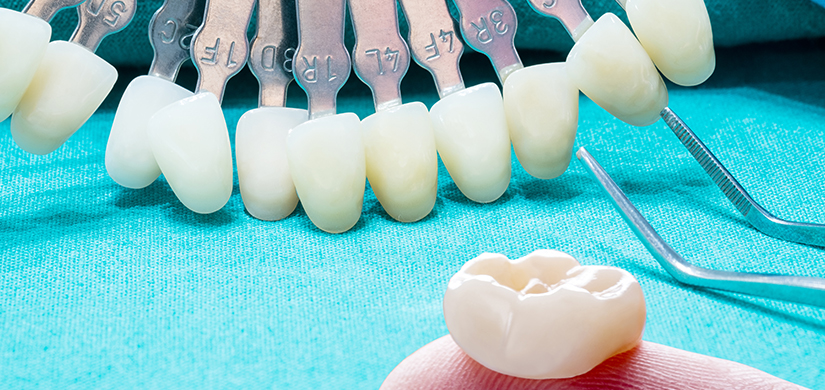
Yes. Modern composite materials are available in dozens of shades and can be matched precisely to your existing tooth color. When placed correctly, a composite filling is essentially invisible — even up close, even on a front tooth.
Not necessarily. Old amalgam fillings that are intact, sealed, and not causing problems can usually be left alone. We typically replace amalgam fillings when they show signs of failure (cracks, leakage, recurrent decay underneath), when they are large and at risk of fracturing the tooth, or when the patient prefers a tooth-colored option for aesthetic reasons.
The procedure itself is performed under local anesthesia and is not painful. Some mild sensitivity for a few days afterward is normal, especially with larger fillings. Severe or lasting pain is unusual and should be reported to us.
Yes. Modern composite materials are strong enough for back teeth in nearly all cases. For very large restorations on molars or in patients with heavy grinding, we may recommend a crown or inlay instead, but for typical cavities, composite is an excellent choice.
A typical single-surface composite filling takes 30–45 minutes from start to finish. Larger or multiple fillings take proportionally longer.
Yes. Composite filling materials have been used for decades and are considered safe by the ADA, FDA, and major dental research organizations. They are mercury-free and biocompatible.


Let's talk about your fillings
Come in for a consultation with Dr. Zaiber. We'll examine your situation, explain your options, and recommend the right approach — with no pressure to commit.