
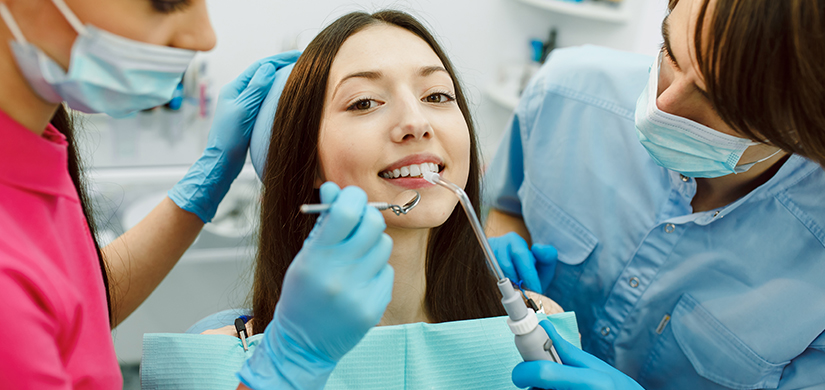
Wisdom Teeth Removal in Fredericksburg, VA
Wisdom teeth removal at Gateway Smiles in Fredericksburg, VA. Comfortable, modern technique with sedation options available. Call (540) 299-5721.
Wisdom teeth — your third molars — are the last teeth to come in, typically erupting between ages 17 and 25. Because the modern human jaw is often too small to accommodate them, wisdom teeth frequently cause crowding, infection, decay, and damage to neighboring teeth. Removing them before problems develop is one of the most common and predictable procedures in dentistry.
Why Wisdom Teeth Often Need to Be Removed
Most people simply do not have enough room in their jaw for wisdom teeth to come in normally. When wisdom teeth are crowded, partially erupted, or impacted (stuck below the gum line), they create a range of problems that worsen over time. Common issues include infection of the gum tissue around partially erupted wisdom teeth (pericoronitis), decay because the back of the mouth is so difficult to clean properly, damage to the roots of the second molars, cysts that form around impacted teeth, and crowding that pushes other teeth out of alignment.
Not everyone needs their wisdom teeth removed. Patients with adequate space, properly aligned wisdom teeth, and no signs of decay or gum disease can sometimes keep them. We evaluate every patient individually and recommend extraction only when there is a clear clinical reason.
When to Have Them Removed
If wisdom teeth need to come out, earlier is generally better than later. The roots of wisdom teeth are not yet fully formed in the late teens and early twenties, which makes the procedure simpler and the recovery faster. The bone is also more flexible at this age, which reduces surgical complexity. By the mid-thirties and beyond, the bone becomes denser, recovery takes longer, and complications are more common.
We recommend evaluating wisdom teeth annually starting around age 16, typically with a panoramic X-ray that shows the position and development of the third molars. If extraction is needed, we plan it at a time that fits your schedule — often during a school break for college students.
Simple vs. Surgical Extraction
Wisdom tooth removal varies in complexity depending on the position of the tooth. A wisdom tooth that has fully erupted and is positioned normally can often be removed in a routine office extraction under local anesthesia, similar to extracting any other tooth.
An impacted wisdom tooth — one that is partially or fully below the gum line, or angled in an unusual direction — requires a surgical extraction. This involves making a small incision in the gum, removing any bone covering the tooth, and sometimes sectioning the tooth into pieces to remove it. Recovery is somewhat more involved, but the procedure is still straightforward and well-tolerated under modern anesthesia.
For impacted or particularly complex wisdom tooth cases, we work with experienced oral and maxillofacial surgeons in the Fredericksburg area. We coordinate the referral, share imaging and records, and follow up with you afterward. You receive specialized care without coordinating the handoff yourself.
Anesthesia and Sedation Options
We offer several anesthesia options to keep you comfortable during wisdom tooth removal.
- Local anesthesia — numbs the area completely while you remain fully alert. Appropriate for simple extractions and patients who prefer to avoid sedation.
- Nitrous oxide ('laughing gas') — a mild sedative inhaled through a small mask. You remain awake but feel relaxed; the effects wear off within minutes after the procedure.
- Oral conscious sedation — a pill taken before the appointment that produces a deeper level of relaxation. You will be drowsy but able to respond to questions; you will need someone to drive you home.
- IV sedation — a deeper level of sedation administered intravenously, typically used for complex impacted cases. You may have little to no memory of the procedure. Provided through our oral surgery partners.
What to Expect on the Day of Surgery
- 1
Pre-operative instructions
Depending on your sedation choice, you may be asked to avoid food and water for several hours before the procedure. We will provide detailed instructions in advance.
- 2
Anesthesia
We administer your chosen anesthesia and confirm you are completely numb (and, if applicable, comfortable from sedation) before beginning.
- 3
The extraction
The procedure typically takes 20–60 minutes depending on complexity. You will feel pressure and movement but no pain. Most patients are surprised by how quickly it is over.
- 4
Recovery
You rest in our office briefly while the anesthesia wears off. We provide written post-operative instructions, prescriptions if needed, and a follow-up appointment.
Recovery and Aftercare
Most patients feel well enough to return to non-strenuous activities within 1–3 days. Full recovery from a more complex extraction takes 7–10 days. Common experiences during recovery include swelling that peaks at day 2–3 and gradually resolves, mild to moderate discomfort that responds well to ibuprofen and acetaminophen, some bleeding for the first few hours, restricted opening of the mouth for several days, and bruising in some cases.
Following our post-operative instructions carefully accelerates healing and prevents complications. Key points include applying ice during the first 24 hours, eating only soft foods for several days, avoiding straws (which can dislodge the blood clot and cause 'dry socket'), avoiding smoking and alcohol, and gentle rinsing with salt water after 24 hours. We provide complete written instructions and remain available for any questions during recovery.
Cost and Insurance
Wisdom tooth extraction is typically considered a medically necessary procedure when there are clear clinical indications, and most dental insurance plans cover it at 50–80% after the deductible. Some plans cover impacted extractions under medical insurance rather than dental. Without insurance, simple wisdom tooth extractions typically cost $200–$400 per tooth, while surgical extractions of impacted wisdom teeth typically cost $400–$800 per tooth. IV sedation, when used, adds approximately $400–$800. We provide a clear written estimate before any procedure.
Frequently asked questions
Have more questions about wisdom teeth? Call us at (540) 299-5721 — we're happy to help.
Not necessarily. We evaluate each tooth individually. If only one or two are problematic, we can remove just those. However, when extraction is recommended for multiple teeth, doing them all in one appointment is usually more efficient and means a single recovery period.
Dry socket occurs in approximately 2–5% of extractions. The risk is highest in the first 3–5 days after extraction. Following post-operative instructions — especially avoiding straws, smoking, and vigorous rinsing — dramatically reduces the risk. If you do develop dry socket, we treat it with a medicated dressing that typically resolves the discomfort quickly.
Most patients with simple extractions return to non-strenuous activities the next day. After surgical removal of impacted wisdom teeth, plan for 2–4 days of reduced activity. Schedule the procedure on a Thursday or Friday to use the weekend for recovery if your case allows.
Most patients manage discomfort with over-the-counter ibuprofen and acetaminophen used together. For complex extractions or patients with low pain tolerance, we may prescribe a short course of stronger pain medication. We work to minimize opioid prescribing while ensuring adequate pain control.
No. Wisdom teeth that have erupted normally, are properly positioned, are easy to clean, and show no signs of disease can be left alone. We monitor them with annual exams and X-rays. Removal is recommended only when there is a clear reason.
It depends on the complexity of your case. Simple extractions of erupted wisdom teeth can often be performed in our office. For impacted teeth, particularly those positioned near the lower jaw nerve or upper sinus, we refer to trusted oral and maxillofacial surgeons in the Fredericksburg area. We will be transparent about which provider will be doing your procedure at consultation.
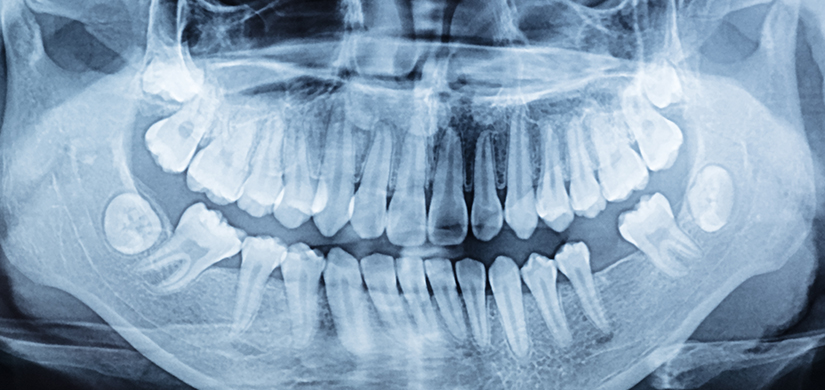


Let's talk about your wisdom teeth
Come in for a consultation with Dr. Zaiber. We'll examine your situation, explain your options, and recommend the right approach — with no pressure to commit.