
Tooth Extractions in Fredericksburg, VA
Gentle, comfortable tooth extractions at Gateway Smiles in Fredericksburg, VA. Sedation options available. Call (540) 299-5721 for emergency care.
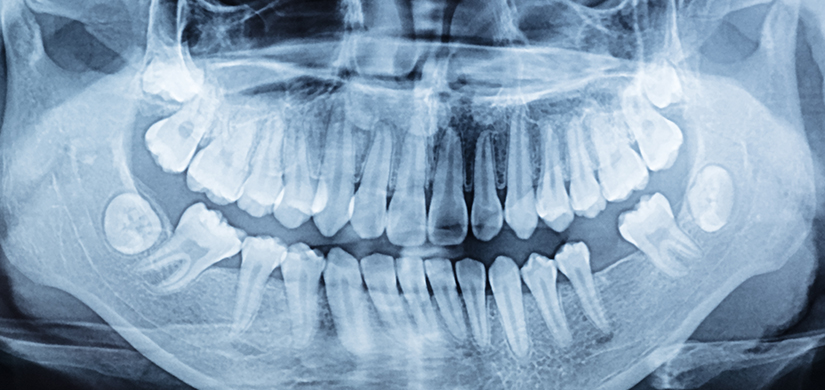
Tooth extraction is the careful removal of a tooth that cannot be saved or that needs to be removed for orthodontic, restorative, or other reasons. While we always work to save your natural teeth when possible, there are situations where extraction is the most predictable path forward. Modern techniques and anesthesia make extractions far more comfortable than most patients expect.
When Extraction Is Recommended
We never recommend extracting a tooth that can be saved through restorative or endodontic treatment. Saving your natural teeth is almost always the better long-term outcome. However, there are situations where extraction is the right choice.
- Severe decay that has destroyed too much tooth structure to be restored predictably
- Cracks or fractures that extend below the gum line or into the root
- Severe periodontal (gum) disease that has destroyed the supporting bone
- Teeth that cannot be saved despite previous root canal treatment
- Crowding that requires removal of one or more teeth to allow orthodontic correction
- Wisdom teeth and other supernumerary teeth that cannot be retained safely
- Teeth in the path of necessary medical or dental treatment (such as preparation for jaw surgery)
Simple vs. Surgical Extractions
A simple extraction is the removal of a tooth that is fully erupted and accessible. The procedure is performed under local anesthesia, typically takes 15–30 minutes, and recovery is straightforward.
A surgical extraction is needed when a tooth is broken at the gum line, has unusual root anatomy, is partially or fully impacted, or is otherwise more complex to remove. Surgical extractions involve a small incision in the gum, sometimes removing a small amount of bone, and occasionally sectioning the tooth into pieces for easier removal. They are still routinely performed under local anesthesia, with sedation available for patient comfort.
We perform routine extractions in our office. For complex surgical extractions, particularly those involving impacted teeth or proximity to important anatomical structures, we work with trusted oral surgeons in the Fredericksburg area.
Planning for Tooth Replacement
An important conversation we have with every extraction patient is what happens after the tooth is removed. Leaving a gap, especially in the back of the mouth, leads to consequences that compound over time: neighboring teeth shift, the opposing tooth erupts upward into the empty space, the bone in the area shrinks (resorbs), and chewing function is compromised.
Replacement options include dental implants (the gold standard for most situations), bridges (when adjacent teeth need crowns anyway), and partial dentures (when multiple teeth are missing or implants are not feasible). We discuss these options before the extraction so you can make an informed plan that includes what comes next.
When dental implants are part of the plan, we sometimes perform a 'socket preservation' bone graft at the time of extraction to preserve the bone for future implant placement. We will discuss whether this is appropriate for your situation.
What to Expect During Your Extraction
- 1
Examination and X-rays
We confirm the tooth needs to be removed and review X-rays to plan the extraction carefully. We discuss your replacement options and any preservation steps that may be appropriate.
- 2
Anesthesia
Local anesthesia is administered to numb the tooth and surrounding tissue completely. Sedation options are available if you would prefer additional comfort.
- 3
The extraction
Using gentle, controlled technique, Dr. Zaiber loosens the tooth from its socket and removes it. You will feel pressure but no pain.
- 4
Socket care
We carefully clean the socket, place any planned bone graft material if applicable, and apply gauze to control bleeding. Stitches may be placed for surgical extractions.
- 5
Post-operative instructions
We review detailed written instructions for home care, including bleeding control, eating, oral hygiene, and what to expect during recovery. We schedule any follow-up appointments needed.
Recovery After Extraction
Most patients return to normal activities the next day after a simple extraction, with some restrictions for the first 24–48 hours. Initial healing of the soft tissue takes approximately 1–2 weeks, while complete bone fill of the socket takes 3–6 months.
Critical recovery instructions include keeping firm pressure on the gauze for 30–45 minutes after the procedure, applying ice to the cheek for the first 24 hours to reduce swelling, eating only soft foods for several days, avoiding straws and vigorous rinsing for the first 24 hours (to prevent dislodging the blood clot), avoiding smoking and alcohol, and gently rinsing with warm salt water starting 24 hours after the procedure. We provide complete written instructions and a follow-up call to verify your recovery is on track.
Cost and Insurance
Most extractions are partially covered by dental insurance — typically at 50–80% after the deductible. Without insurance, simple extractions typically cost $150–$300, and surgical extractions typically cost $300–$500. Bone graft material for socket preservation, if recommended, typically adds $300–$600. We provide a clear written estimate before any procedure.
Frequently asked questions
Have more questions about extractions? Call us at (540) 299-5721 — we're happy to help.
No. The procedure is performed under thorough local anesthesia, and you will feel only pressure during the extraction. After the anesthesia wears off, mild to moderate discomfort is normal for a few days and is usually well-managed with over-the-counter pain relievers.
Most patients return to non-strenuous activities the next day. Soft tissue healing takes 1–2 weeks. Complete bone healing in the socket takes 3–6 months. Most of the discomfort is gone within 3–5 days.
Not always immediately, but ideally within 6–12 months. Waiting longer leads to bone loss, shifting of neighboring teeth, and other complications that make replacement more difficult later. We will discuss replacement options at your extraction consultation so you have a plan from day one.
Dry socket occurs when the blood clot in the extraction socket is dislodged before the tissue underneath has had time to heal, exposing the bone to air. The result is throbbing pain typically 3–5 days after the extraction. To avoid it, do not use straws, do not smoke, do not rinse vigorously, and avoid spitting forcefully for the first 24–48 hours.
Most simple extractions need only over-the-counter pain relievers (ibuprofen and acetaminophen used together work well). For more complex extractions, we may prescribe a short course of stronger pain medication. We use opioid prescriptions sparingly and only when truly needed.
After local anesthesia only, yes. After nitrous oxide, after a brief recovery period, yes. After oral sedation or IV sedation, you must have someone drive you home and stay with you for several hours afterward.



Let's talk about your extractions
Come in for a consultation with Dr. Zaiber. We'll examine your situation, explain your options, and recommend the right approach — with no pressure to commit.