Professional Teeth Cleanings in Fredericksburg, VA
Professional teeth cleanings and dental hygiene at Gateway Smiles in Fredericksburg, VA. Gentle, thorough care every six months. Call (540) 299-5721.
Professional teeth cleaning — clinically known as a dental prophylaxis — is the single most important thing you can do to maintain long-term oral health. Even the best brushing and flossing at home cannot reach every surface or remove the hardened tartar that builds up over time. Routine cleanings every six months protect your teeth, your gums, and your overall health.
What Happens During a Cleaning
A professional cleaning at Gateway Smiles is performed by a licensed dental hygienist or by Dr. Zaiber. The appointment typically lasts 45–60 minutes and includes several careful steps that go far beyond what is possible at home.
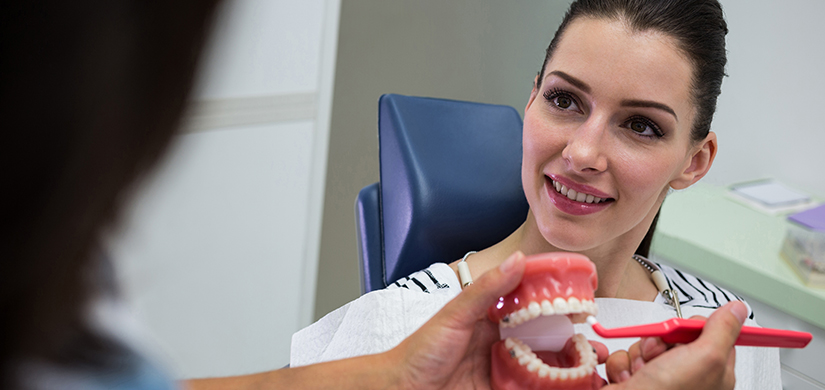
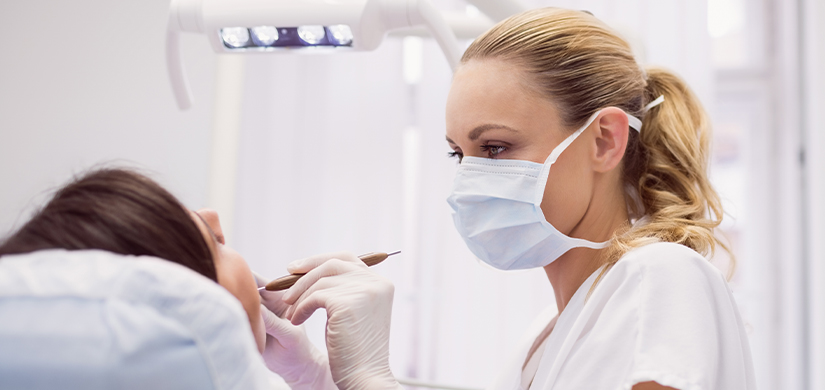
We start with a thorough oral examination, evaluating the health of your gums and looking for any new concerns since your last visit. We then carefully remove plaque and tartar from every surface of every tooth — including the spaces between teeth and just below the gum line, where bacterial buildup is most damaging. We finish with a polish that removes surface stains and leaves your teeth feeling smooth and fresh.
Throughout the cleaning, we use gentle techniques and check in with you frequently. If any area is sensitive, we slow down. If you would like to take a break, we pause. Comfort is a priority at every appointment.
Regular Cleaning vs. Deep Cleaning
Not every cleaning is the same. A regular cleaning — what insurance calls a 'prophylaxis' — is appropriate for patients with healthy gums and minimal tartar buildup. It removes plaque and tartar from above the gum line and from the visible surfaces of the teeth.
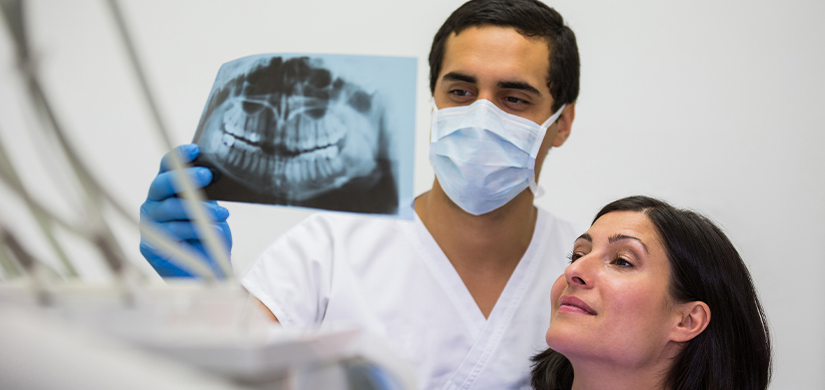
A deep cleaning — formally known as 'scaling and root planing' — is recommended when there are signs of periodontal disease: bleeding gums, deepened gum pockets, or bone loss visible on X-rays. Deep cleaning goes below the gum line to remove tartar and bacteria from the tooth roots, then smooths the root surfaces so that gums can reattach. Deep cleaning is typically performed under local anesthesia and often divided into two appointments (left and right sides).
We evaluate your gum health at every visit and recommend the appropriate type of cleaning. We will never push a deep cleaning that is not clinically necessary, and we will not perform a regular cleaning when a deep cleaning is what your gums actually need.
Why Cleanings Matter Beyond Your Mouth
Oral health is closely linked to overall health. Chronic gum disease has been associated with increased risk of heart disease, stroke, diabetes complications, premature birth, and several other serious conditions. The mouth is a major entry point to the rest of the body, and the bacteria that cause gum disease do not stay in the mouth. Regular professional cleanings, combined with good home care, reduce the inflammation and bacterial load that contribute to these risks.
How Often Should You Have a Cleaning?
For most patients with healthy gums, we recommend a cleaning every six months. This interval allows us to remove plaque and tartar before they cause damage and gives us regular opportunities to catch new issues early.
Patients with a history of periodontal disease, heavy tartar buildup, certain medical conditions, or risk factors such as smoking may benefit from more frequent cleanings — typically every three or four months. This is called 'periodontal maintenance,' and the increased frequency keeps inflammation under control and prevents disease from progressing.
We will recommend the cleaning schedule that is right for you based on your individual needs. Most dental insurance plans cover two cleanings per year, with additional cleanings sometimes covered under periodontal benefits.
What You Can Do at Home Between Cleanings
- Brush twice a day for two minutes with a soft-bristled toothbrush and fluoride toothpaste
- Floss daily — string floss, floss picks, or a water flosser all work, as long as you do it consistently
- Replace your toothbrush every three months or when bristles become frayed
- Consider an electric toothbrush, which is more effective than a manual brush for most patients
- Limit sugary and acidic foods and drinks, especially between meals
- Drink plenty of water and avoid sipping sugary drinks throughout the day
- Do not smoke or use tobacco products
Cost and Insurance
Routine cleanings are almost always covered at 100% by dental insurance plans as preventive care. Patients are typically allowed two cleanings per calendar year under most plans, with some plans covering three or four for patients with periodontal disease. Without insurance, a routine cleaning typically costs $100–$200 in our area. Deep cleanings cost more — typically $200–$300 per quadrant — but are usually covered at 80% by insurance when periodontal disease is documented. Our team will verify your benefits and provide a clear estimate before any treatment.
Frequently asked questions
Have more questions about cleanings? Call us at (540) 299-5721 — we're happy to help.
Most patients benefit from a professional cleaning every six months. Patients with periodontal disease or heavy tartar buildup may need cleanings every three to four months. We will recommend the right schedule for you.
Routine cleanings are not painful for patients with healthy gums. Some patients with inflamed gums or significant tartar may experience minor discomfort or sensitivity. We use gentle technique and can pause at any time. For patients with sensitive gums, we can apply a topical anesthetic before the cleaning.
Most dental insurance plans cover two cleanings per year at 100% as preventive care. Some plans cover three or four cleanings for patients with documented periodontal disease. Our team will verify your specific benefits before your appointment.
Unfortunately, no. Even the best home care cannot remove hardened tartar (calcified plaque) once it has formed, and tartar buildup is the primary cause of gum disease. Professional cleanings every six months are not optional in good oral health — they are essential.
Bleeding gums are almost always a sign of inflammation, usually from plaque buildup along the gum line. The good news is that gingivitis (early gum disease) is fully reversible with a professional cleaning and improved home care. If bleeding persists after a cleaning and consistent home care, more advanced periodontal disease may be present and warrants further evaluation.
Cleaning thoroughness varies dramatically between practices. At Gateway Smiles, we take the time to clean every surface carefully, even when it means a longer appointment. We believe a thorough cleaning every six months is one of the most valuable services we provide.
Related procedures
Let's talk about your cleanings
Come in for a consultation with Dr. Zaiber. We'll examine your situation, explain your options, and recommend the right approach — with no pressure to commit.