
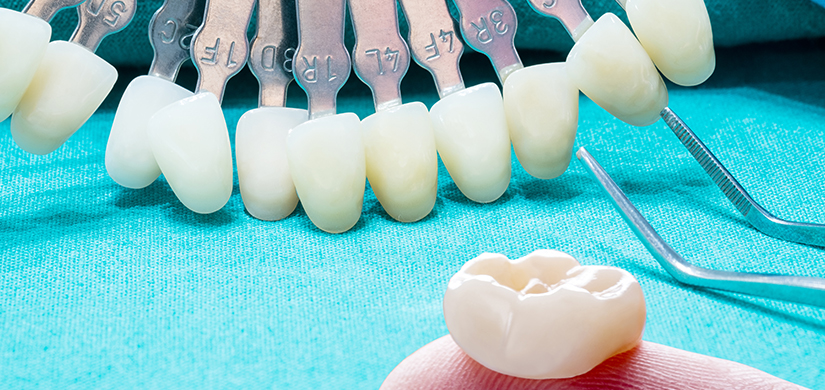
Dental Crowns in Fredericksburg, VA
Custom porcelain dental crowns at Gateway Smiles in Fredericksburg, VA. Strong, natural-looking restoration for damaged teeth. Call (540) 299-5721.
A dental crown is a custom-made cap that fits over a damaged or weakened tooth, restoring its shape, strength, and appearance. Crowns are the recommended treatment when a tooth is too damaged for a filling but still healthy enough at the root to be saved. Modern porcelain crowns look completely natural and can last 15–20 years or longer with proper care.
When You Need a Crown
Dr. Zaiber recommends a crown when a tooth has been so damaged by decay, fracture, or wear that a filling will not adequately restore its function or longevity. Common situations include a tooth with a very large existing filling that has cracked or fractured, a tooth that has had a root canal and needs reinforcement, a tooth that has been worn down by grinding, and a tooth that has been broken below the gum line and needs to be rebuilt.
Crowns are also part of other restorative work. A dental bridge uses crowns on adjacent teeth to support a replacement tooth. A dental implant is typically completed with a crown on top of the implant fixture. Cosmetic crowns can dramatically improve the appearance of a tooth that is severely discolored, oddly shaped, or otherwise unsightly.
We do not recommend crowns lightly. A crown requires removing some healthy tooth structure to make room for the crown material, so we always evaluate whether a smaller, more conservative restoration could solve the problem instead. When a crown is the right answer, however, it is by far the most predictable, long-lasting option.
Types of Crown Materials
- All-ceramic crowns (typically zirconia or e.max lithium disilicate) — strongest and most aesthetic option, recommended for both front and back teeth in most cases
- Porcelain-fused-to-metal (PFM) — durable with a metal substructure under a porcelain exterior; very strong but can show a thin metal line at the gum
- Gold or other precious metal alloys — extremely durable and gentle on opposing teeth; rarely used on visible teeth due to appearance
- Stainless steel — used primarily for temporary crowns and for primary (baby) teeth in children
The Crown Procedure
- 1
Preparation
Under local anesthesia, Dr. Zaiber removes any existing decay and shapes the tooth to receive the crown. The tooth is reduced just enough to make room for the crown material to fit naturally with your bite.
- 2
Impressions or digital scan
We take a precise impression or digital scan of the prepared tooth, along with your bite, and send the information to a dental laboratory that fabricates the crown to exact specifications.
- 3
Temporary crown
While your permanent crown is being made (typically 1–2 weeks), we place a temporary crown to protect the tooth and let you eat and smile normally.
- 4
Crown placement
At your second appointment, we remove the temporary crown, check the fit and color of your permanent crown, and cement it into place. We check your bite carefully to make sure the crown fits comfortably.
Same-Day vs. Traditional Crowns
Traditional crowns require two appointments separated by 1–2 weeks while a dental laboratory fabricates the crown. This remains the standard for most cases because it allows for the highest quality control and the most precise color matching, particularly for front teeth. Some practices offer same-day crowns using CAD/CAM technology that mills the crown in the office, which can be convenient but is best suited for back teeth where aesthetics are less critical. We will discuss which approach is right for your specific case.
Caring for Your Crown
A dental crown is cared for the same way as a natural tooth. Brush twice daily, floss every day, and come in for your regular cleanings and exams every six months. The crown itself cannot get a cavity, but the tooth underneath it can, and decay around the edge of a crown is the most common reason crowns eventually fail.
Avoid chewing on hard objects (ice, hard candy, pen caps) that could chip a crown, just as you would avoid these habits with your natural teeth. If you grind your teeth at night, a custom nightguard protects your crowns and your natural teeth and is one of the best investments you can make in the longevity of your dental work.
How Long Do Crowns Last?
A well-made, well-maintained dental crown typically lasts 15–20 years, with many lasting longer. The biggest factors in crown longevity are good home care, routine professional cleanings, avoiding habits like grinding or chewing on hard objects, and addressing any new decay at the crown margin promptly. When a crown eventually needs replacement, we evaluate the underlying tooth and make a plan that prioritizes its long-term health.
Cost and Insurance
Dental insurance typically covers crowns at 50% after the deductible, with annual maximum limits applying. Without insurance, a crown typically costs $1,200–$1,800 in our area, depending on the material and complexity. We offer financing through CareCredit and other options. Our team will provide a clear written estimate including any out-of-pocket cost before treatment begins.
Frequently asked questions
Have more questions about crowns? Call us at (540) 299-5721 — we're happy to help.
Yes. Modern all-ceramic crowns can be made to match the color, translucency, and surface texture of your natural teeth so precisely that the crown is indistinguishable. We work with high-quality dental laboratories that specialize in aesthetic restorations.
No. The procedure is performed under local anesthesia and is not painful. Some patients experience mild tenderness or sensitivity for a few days after each appointment, which resolves quickly.
A traditional crown is completed in two appointments, typically 1–2 weeks apart. Each appointment lasts approximately 60–90 minutes. Same-day crowns, when appropriate, are completed in a single 2–3 hour appointment.
The crown itself cannot get a cavity, but the tooth underneath the crown can develop decay at the edge where the crown meets the tooth. This is why good home care and regular professional cleanings are essential for crown longevity.
A crown covers the entire visible portion of a tooth and provides full strength and structural support. A veneer covers only the front surface of a tooth and is primarily cosmetic. Crowns are used for damaged or heavily restored teeth; veneers are used for cosmetic improvements to healthy teeth.
Not always. Many crowns are placed without a root canal. A root canal is needed only when the nerve inside the tooth has been damaged by deep decay, fracture, or trauma. We evaluate this on a case-by-case basis.
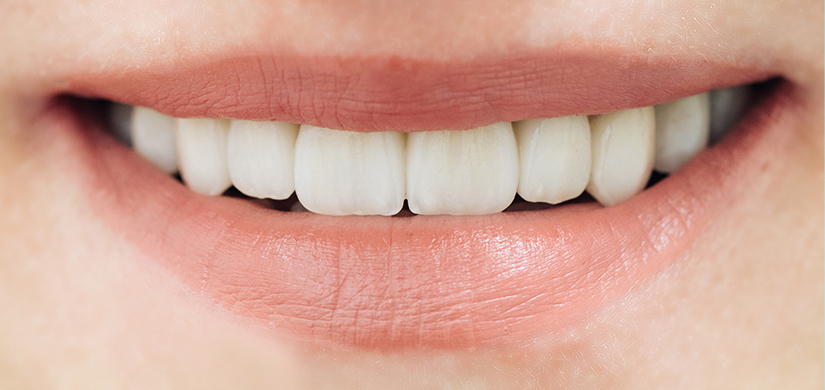


Let's talk about your crowns
Come in for a consultation with Dr. Zaiber. We'll examine your situation, explain your options, and recommend the right approach — with no pressure to commit.