

Root Canal Therapy in Fredericksburg, VA
Gentle, modern root canal therapy at Gateway Smiles in Fredericksburg, VA. Save your natural tooth and stop tooth pain. Call (540) 299-5721.
Root canal therapy treats infection or damage inside a tooth, allowing us to save the natural tooth that would otherwise need to be extracted. Despite its reputation, a modern root canal performed under proper anesthesia is no more uncomfortable than a routine filling — and it provides immediate relief from the severe pain that brought most patients to seek treatment in the first place.
What a Root Canal Treats
Inside every tooth is a small chamber containing the dental pulp — the soft tissue that includes the tooth's nerve, blood vessels, and connective tissue. When deep decay, a crack, a large filling, or trauma exposes this tissue to bacteria, the pulp becomes infected and inflamed. The result is the classic severe toothache: throbbing, often worse at night, sometimes radiating to the ear or jaw, and frequently sensitive to hot or cold.
Once the pulp is infected, it cannot heal on its own. Left untreated, the infection spreads down through the root tip and into the surrounding bone, often forming an abscess that can become a serious medical issue. Root canal therapy treats the infection by removing the affected pulp, cleaning and disinfecting the inside of the tooth, and sealing it to prevent reinfection. The tooth remains in your mouth and continues to function normally.
Signs You May Need a Root Canal
- Severe, persistent toothache, especially throbbing pain that wakes you at night
- Sharp, lingering sensitivity to hot or cold that does not resolve quickly
- Pain when biting or chewing on a specific tooth
- Swelling of the gum near a tooth, sometimes with a small bump (a 'pimple') that drains
- Discoloration of a single tooth, often appearing gray or darker than surrounding teeth
- A deep cavity, fractured filling, or visible crack that has reached the nerve
What to Expect During the Procedure
- 1
Anesthesia
We numb the area thoroughly with local anesthesia. Most patients feel pressure but no pain during the procedure itself. Sedation options are available for patients who prefer additional comfort.
- 2
Access
Dr. Zaiber creates a small opening in the top of the tooth to access the pulp chamber. A rubber dam is placed around the tooth to keep the area dry and clean during treatment.
- 3
Cleaning the canals
Using fine instruments and antibacterial irrigation, we carefully remove the infected pulp and clean the entire interior of the tooth — every small canal that branches from the main chamber down to the tip of each root.
- 4
Sealing
Once the inside of the tooth is thoroughly clean and shaped, we fill the canals with a biocompatible material called gutta-percha and seal the access opening with a temporary filling.
- 5
Final restoration
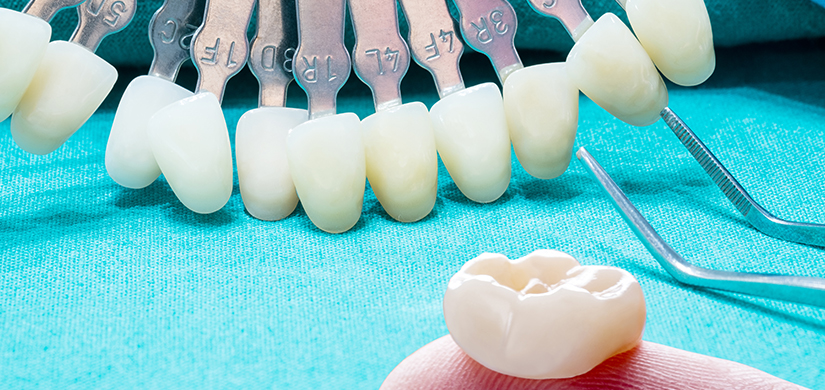
At a follow-up appointment, we place a permanent restoration — usually a crown — to protect and strengthen the tooth. A tooth that has had a root canal is more brittle than a healthy tooth and almost always needs a crown for long-term success.
Are Root Canals Painful?
This is the question nearly every patient asks, and the answer surprises most of them. A modern root canal performed under proper anesthesia is no more uncomfortable than a typical filling. Most patients describe the appointment as 'much easier than I expected.'
The reputation that root canals are painful comes from a different reality: the toothache that leads to a root canal is often severe. When patients confuse the pain that brought them in with the procedure itself, the procedure gets blamed. In reality, the root canal is what makes the pain go away. Most patients feel dramatically better within hours of the procedure.
If you are anxious about the appointment, we have several comfort options available, including nitrous oxide and oral sedation. Let us know in advance so we can plan accordingly.
Recovery After a Root Canal
Most patients return to normal activities the same day, including work and exercise. The treated tooth may be tender for 2–4 days, especially when biting on it, and over-the-counter pain relievers (ibuprofen or acetaminophen) typically manage any discomfort. The severe pain that brought you in usually resolves within hours. If you experience worsening pain, swelling, or fever in the days following the procedure, contact our office — these can be signs of an issue that needs prompt attention but are rare.
Root Canal vs. Extraction
When a tooth has an infected nerve, you have two main options: root canal therapy to save the tooth, or extraction. Saving your natural tooth is almost always the better long-term choice. Even the best replacement (a dental implant) is not quite as good as the original tooth, and avoiding extraction preserves bone, prevents shifting of adjacent teeth, and maintains your natural bite. Root canals have a 90–95% success rate when performed properly, and a tooth that has had a root canal and crown can last a lifetime. Extraction may occasionally be the right choice — when the tooth is fractured below the gum line, severely damaged, or strategically not worth saving — but we always explore root canal first.
Cost and Insurance
Root canal therapy is typically covered by dental insurance at 50–80% after the deductible. Without insurance, a root canal on a front tooth typically costs $700–$1,200, and on a molar typically costs $1,000–$1,500. A crown to protect the tooth afterward typically costs $1,200–$1,800. While these costs are significant, they are often less than the cost of extraction plus implant replacement, and they preserve your natural tooth.
Frequently asked questions
Have more questions about root canals? Call us at (540) 299-5721 — we're happy to help.
A typical root canal appointment takes 60–90 minutes for a front tooth, and 90–120 minutes for a molar. Many cases are completed in a single appointment; complex cases may require two visits.
Almost always, yes — especially on back teeth. A tooth that has had a root canal is more brittle and more prone to fracture. A crown protects the tooth and is essential for long-term success. We typically place the crown 2–4 weeks after the root canal.
A tooth that has had a successful root canal and a properly placed crown can last a lifetime with normal care. Success rates are 90–95% when the procedure is performed properly and the tooth is restored with a crown.
Yes. Root canal therapy has been performed for over a century and is one of the most well-studied and successful procedures in dentistry. Claims that root canals cause systemic health problems have been thoroughly debunked by major scientific reviews. A properly performed root canal removes infection and is unequivocally beneficial to your health.
Dr. Zaiber performs many root canals in-office. For complex cases — typically molars with unusual anatomy, retreatment of previously failed root canals, or cases requiring specialized techniques — we refer to a trusted endodontist (root canal specialist) in the Fredericksburg area. We will discuss this with you upfront if a referral is appropriate.
We understand that the cost is significant. We offer financing through CareCredit and other options to spread payments over time. We can also discuss phased treatment, where the most urgent step (cleaning out the infection) is done first and the crown is placed once you are ready financially.
Let's talk about your root canals
Come in for a consultation with Dr. Zaiber. We'll examine your situation, explain your options, and recommend the right approach — with no pressure to commit.