
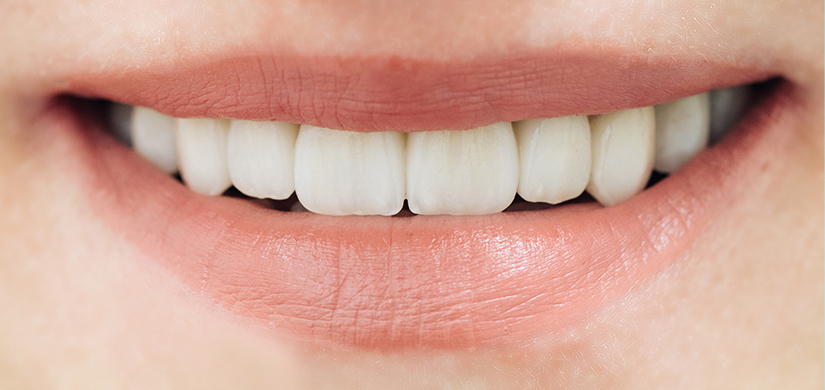
Dental Bridges in Fredericksburg, VA
Dental bridges to replace missing teeth at Gateway Smiles in Fredericksburg, VA. Natural-looking, custom-fitted tooth replacement. Call (540) 299-5721.
A dental bridge replaces one or more missing teeth by using the adjacent teeth as supports for a custom-made replacement tooth. Bridges restore the appearance of your smile, return normal chewing function, and prevent the remaining teeth from shifting into the empty space. With proper care, a well-made bridge can last 10–15 years or longer.
When a Bridge Is Recommended
Dental bridges are one of three main options for replacing a missing tooth — the others being a dental implant and a removable partial denture. Each has its own advantages, and the right choice depends on the specifics of your case.
A bridge is typically a strong choice when the teeth on either side of the gap are already heavily restored and would benefit from the protection of crowns anyway. It is also a reasonable choice when an implant is not possible due to insufficient bone, certain medical conditions, or financial considerations.
When the teeth adjacent to the gap are healthy and pristine, we more often recommend a dental implant — because a bridge requires grinding down those healthy teeth to support the bridge, which is irreversible. We will walk you through the trade-offs at your consultation.
How a Bridge Works
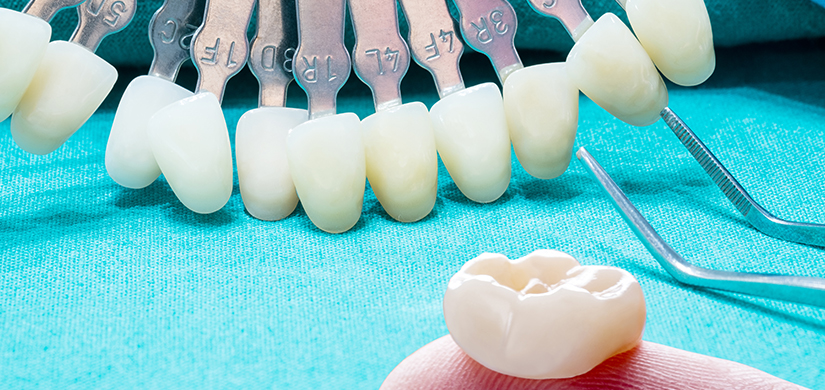
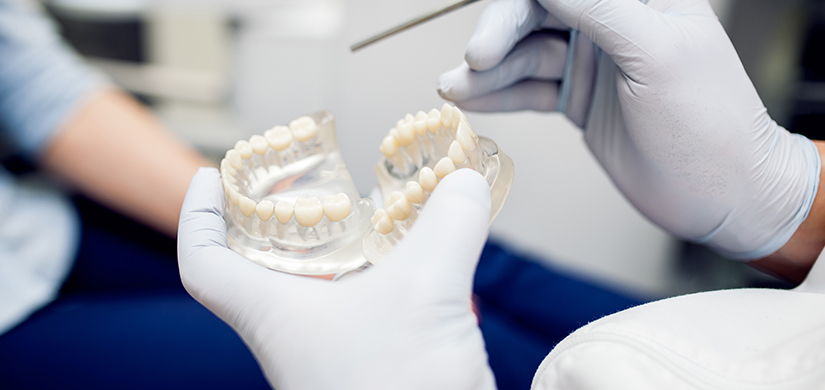
A traditional fixed bridge consists of two crowns on the teeth on either side of the gap (called 'abutment teeth'), connected to one or more replacement teeth (called 'pontics') that fill the space where the missing tooth or teeth used to be. The entire structure — crowns and pontics together — is one rigid piece that is cemented permanently in place. You cannot remove it; it functions like natural teeth.
Types of Dental Bridges
- Traditional fixed bridges — the most common type, with crowns on adjacent teeth supporting a replacement in the middle. Used when there are healthy teeth on both sides of the gap.
- Cantilever bridges — a bridge supported on only one side, used in limited situations where there is only one tooth adjacent to the gap.
- Maryland bonded bridges — a conservative option that uses small metal or porcelain wings to attach the replacement tooth to the back of adjacent teeth without grinding them down. Used primarily for front teeth.
- Implant-supported bridges — bridges anchored to dental implants rather than natural teeth. The best long-term solution when replacing multiple adjacent teeth.
The Bridge Procedure
- 1
Preparation of the abutment teeth
Under local anesthesia, Dr. Zaiber shapes the teeth on either side of the gap to receive crowns. If those teeth already have large fillings or crowns, this step may simply involve removing the old work and preparing for new.
- 2
Impressions or digital scan
A precise impression or digital scan captures the prepared teeth, the surrounding gum tissue, and your bite. This information is sent to a dental laboratory that fabricates the bridge.
- 3
Temporary bridge
While the permanent bridge is being made (typically 1–2 weeks), we place a temporary bridge that protects the prepared teeth and lets you eat and smile normally.
- 4
Bridge placement
At your second appointment, we remove the temporary bridge, verify the fit and appearance of your permanent bridge, and cement it into place. We check your bite carefully and make any small adjustments needed for comfort.
Caring for Your Bridge
A dental bridge is cared for much like natural teeth, with one important addition: cleaning under the pontic (the replacement tooth) is essential to prevent gum problems and decay on the abutment teeth.
Standard floss cannot pass between the bridge and your gums because the bridge is one connected piece. Instead, we recommend using a floss threader, super floss, or a water flosser to clean under the pontic daily. Your hygienist will show you exactly how at your next appointment.
Brush twice a day, clean under the bridge once a day, and come in for your regular cleanings and exams every six months. With good care, your bridge will serve you well for many years.
Bridge vs. Implant
When replacing a single missing tooth between two healthy adjacent teeth, a dental implant is usually the better long-term solution. Implants preserve the bone in the jaw, do not require grinding down adjacent teeth, are easier to clean, and can last a lifetime. Bridges are faster (a few weeks vs. several months), generally less expensive upfront, and a good option when implants are not feasible.
When replacing multiple adjacent teeth, an implant-supported bridge is often the best of both worlds — fewer implants needed than for individual tooth replacement, while preserving bone and avoiding damage to adjacent teeth. We will discuss all options at your consultation and help you choose the right one for your situation.
Cost and Insurance
Most dental insurance plans cover bridges at 50% after the deductible, with annual maximum limits applying. Without insurance, a traditional three-unit bridge typically costs $3,000–$5,000 in our area. We provide a detailed written estimate including any out-of-pocket cost before treatment begins, and we offer financing options to make the cost manageable.
Frequently asked questions
Have more questions about bridges? Call us at (540) 299-5721 — we're happy to help.
A traditional bridge is completed in two appointments, typically 2–3 weeks apart, while the dental laboratory fabricates your bridge. Each appointment lasts approximately 60–90 minutes.
Yes. Modern porcelain bridges are matched to the color, translucency, and shape of your natural teeth. A well-made bridge is essentially indistinguishable from natural teeth, even up close.
A well-made, well-maintained bridge typically lasts 10–15 years, with many lasting longer. The most common reason bridges eventually need replacement is decay on one of the abutment teeth — which is why good home care and regular cleanings are so important.
Yes. After a brief adjustment period of a few days, most patients eat normally with a bridge. Very hard or sticky foods (ice, hard candy, caramel) are best avoided to extend the life of the bridge.
It depends. Implants are generally the better long-term choice when the adjacent teeth are healthy and there is sufficient bone. Bridges are often the better choice when the adjacent teeth already need crowns or when an implant is not feasible. We will help you weigh the trade-offs at your consultation.
No. The procedure is performed under local anesthesia and is not painful. Some patients experience mild tenderness for a few days after each appointment, which resolves quickly.

Let's talk about your bridges
Come in for a consultation with Dr. Zaiber. We'll examine your situation, explain your options, and recommend the right approach — with no pressure to commit.